
Contents

Reusable pallets, containers and transport packaging move between manufacturers, warehouses, retailers and customers every day. But once these assets leave a company’s direct control, visibility can quickly become limited.
This lack of visibility can lead to a range of challenges, including lost pallets, inefficient processes, unnecessary replacement costs and difficulty understanding how assets are being used.
As supply chains become more connected and businesses look for ways to improve efficiency, real-time tracking is becoming an increasingly important solution.
By combining smart pallets, asset tracking technology, and digital platforms, businesses can gain greater control over their reusable assets and create a more transparent, efficient supply chain.
But what exactly is real-time tracking, and how does it help businesses achieve end-to-end supply chain visibility?

What is supply chain visibility?
Supply chain visibility refers to the ability to track and understand the movement of goods, assets, and information throughout the entire supply chain.
For many businesses, visibility has traditionally been limited. They may know when a pallet leaves a warehouse and when an order arrives, but the journey in between can often remain unclear.
- Where is the pallet currently located?
- How long has it been at a customer site?
- Has it been returned?
- Is it being used efficiently?
Without accurate information, businesses are often forced to rely on manual processes and assumptions when managing their assets.
Improving supply chain visibility allows companies to gain a clearer understanding of their operations. With access to accurate data, businesses can identify inefficiencies, improve asset utilisation, reduce waste and make better decisions.
For organisations managing reusable pallets and transport packaging, this visibility is particularly valuable.
The ability to monitor assets throughout their lifecycle helps create a more efficient and sustainable circular supply chain.

How does real-time tracking improve supply chain visibility?
Real-time tracking provides businesses with continuous information about where assets are located, how they are moving and how they are being used.
Instead of relying on spreadsheets, manual checks or outdated information, companies can access live data about their reusable assets.
This creates a more connected supply chain where businesses can:
Real-time pallet tracking removes this uncertainty by providing visibility throughout the asset journey.
This means businesses can spend less time searching for missing assets and more time improving their supply chain performance.

What is real-time tracking and how does it work?
Real-time tracking uses connected technology to monitor physical assets as they move through the supply chain.
Assets such as pallets, containers and reusable transport packaging can be fitted with tracking devices that collect and transmit information.
Depending on the requirements of the business, this technology can include:
GPS technology
Cloud-based tracking platforms
This allows companies to understand not only where assets are located but also how they are performing.
For example, businesses can identify whether pallets are being held at customer locations for longer than expected, whether certain routes are causing delays or whether additional assets are required.
By transforming physical pallets into connected assets, real-time tracking gives businesses the information they need to make smarter operational decisions.

The role of pallet tracking in modern logistics
Pallets are a vital part of global supply chains, but they are often overlooked as valuable business assets.
For companies operating reusable pallet networks, poor visibility can create significant challenges. Lost pallets, delayed returns and inefficient asset management can all increase operational costs.
Pallet tracking provides a solution by allowing businesses to monitor pallet location, movement and usage.
With real-time pallet tracking, companies can gain better control over their reusable assets and improve how they manage their pallet networks.
The benefits include:
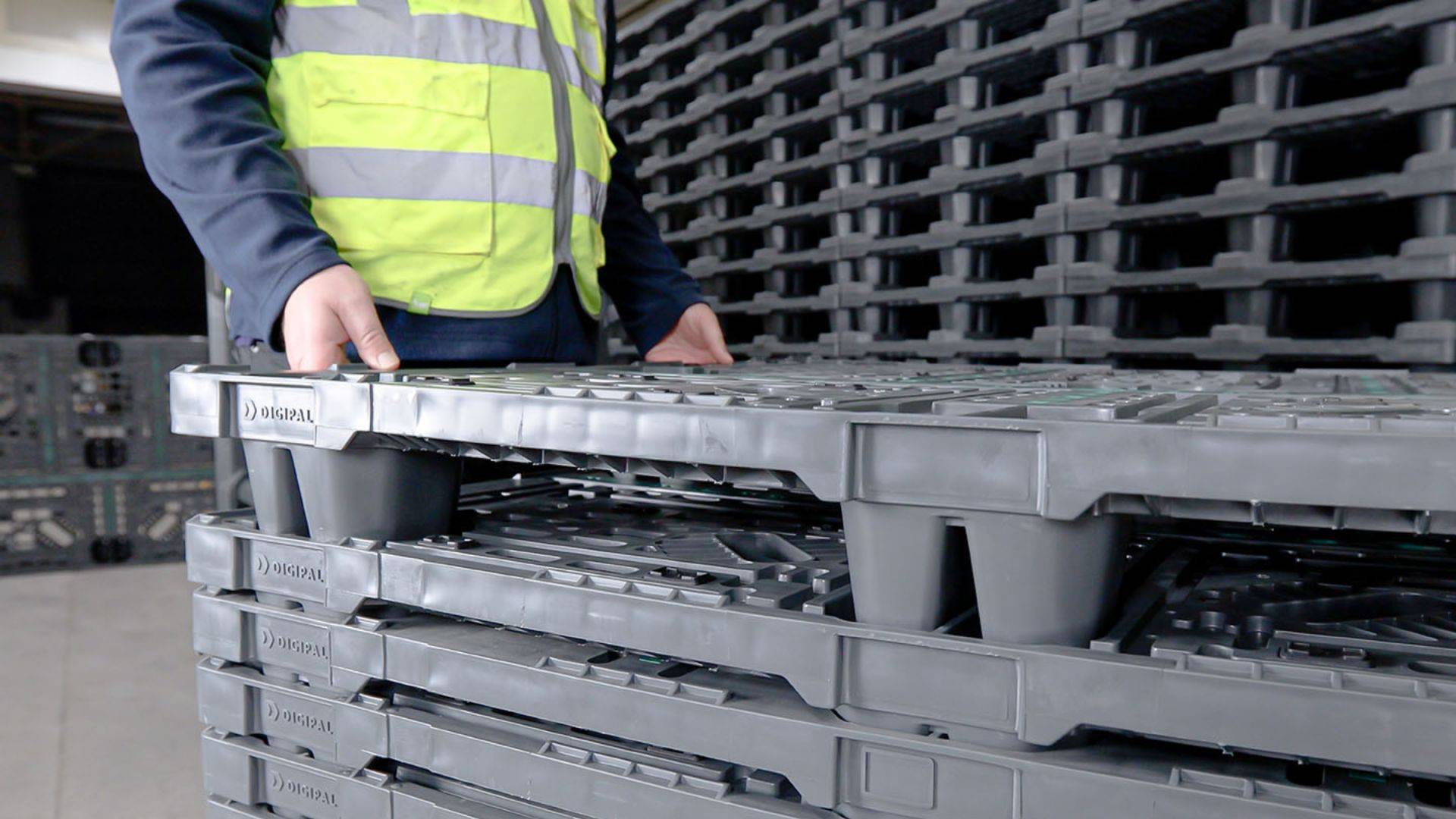
How smart pallets support supply chain optimisation
Smart pallets are changing the way businesses think about pallet management.
Traditionally, pallets were simply viewed as a method of transporting goods. Today, smart pallets combine reusable pallet designs with tracking technology to provide valuable supply chain insights.
By using connected technology, smart pallets enable businesses to monitor:
- Asset location
- Movement history
- Usage patterns
- Return rates
- Asset performance
This information supports supply chain optimisation by helping businesses identify opportunities to improve efficiency.
For example, if a business discovers that pallets are regularly delayed at a particular stage of the supply chain, it can investigate the cause and make improvements.
Smart pallets also support more sustainable logistics by increasing reuse, reducing waste and helping businesses move towards a more circular supply chain model.

Why businesses are investing in pallet tracking software
As supply chains become increasingly digital, businesses need better ways to manage their reusable assets.
Pallet tracking software provides a central platform where businesses can monitor asset movements, analyse performance and make informed decisions.
Rather than relying on manual records, companies can access real-time information about:
- Where assets are located
- How assets are being used
- When assets need to be recovered
- Where improvements can be made
For businesses looking to reduce costs, improve visibility and create more sustainable operations, pallet tracking software is becoming an essential tool.

The future of real-time tracking in logistics
The future of logistics will rely on greater connectivity and better data.
As businesses continue to focus on efficiency, sustainability and reducing supply chain waste, the ability to track reusable assets in real time will become increasingly important.
Smart pallets and asset tracking technology provide businesses with the visibility needed to manage assets more effectively, reduce leakage, and build more resilient supply chains.
Real-time tracking is not just about knowing where a pallet is. It is about creating a smarter way to manage resources, improve operations and support a more sustainable future for logistics.
Frequently asked questions
What is supply chain visibility?
How does real-time asset tracking work?
What is pallet tracking?
How do businesses track pallets in real time?
Technologies such as RFID, Bluetooth, GPS and IoT sensors provide accurate information about pallet movements.