
Contents
- What is plastic pallet rental?
- How does pallet pooling work?
- Plastic pallet rental vs pallet pooling: key differences
- Which option is more cost-effective?
- Which option is right for your business?
- How asset tracking can improve pallet management
- Frequently asked questions
- Find the right pallet solution with Digipal
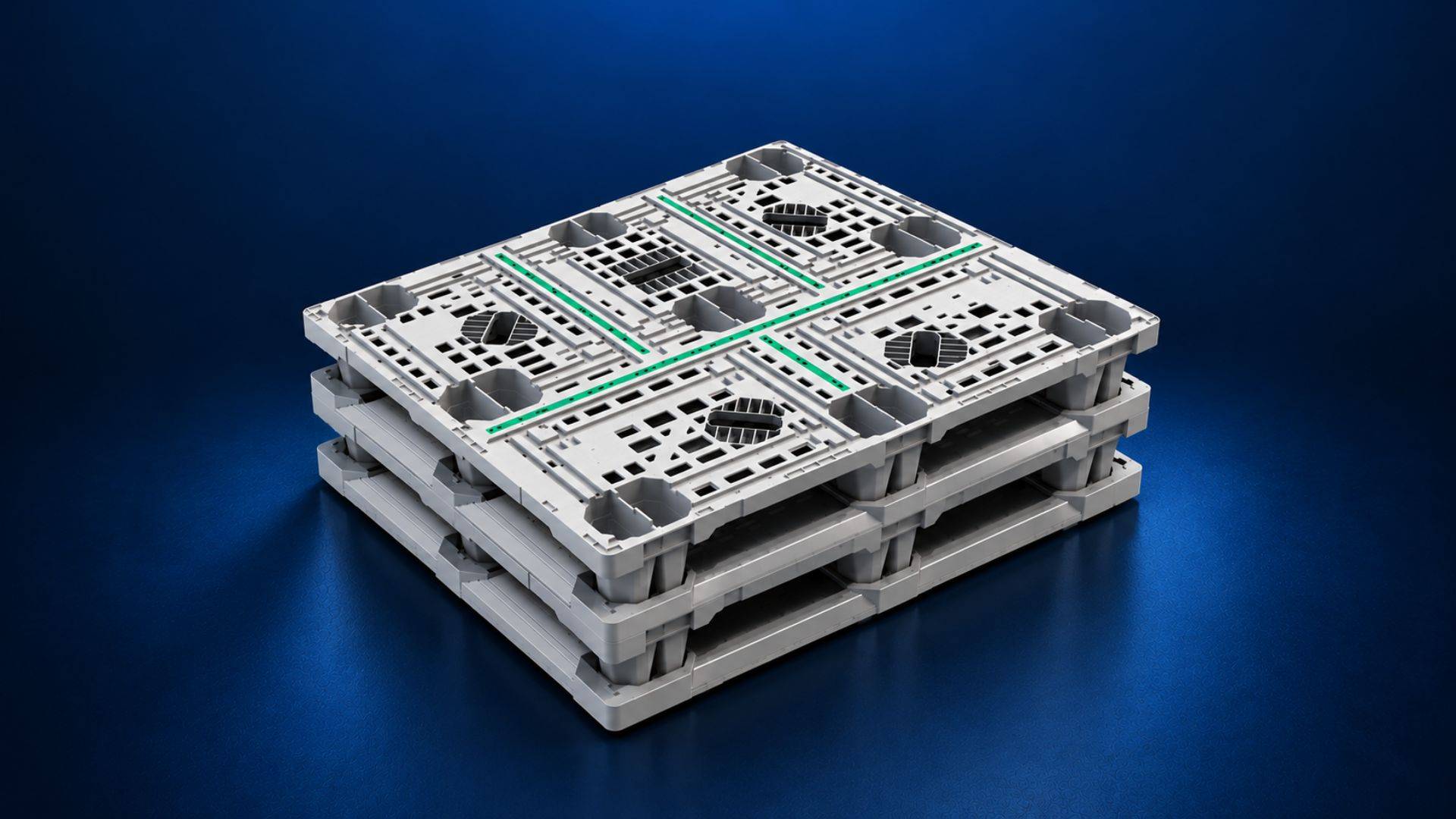
When it comes to managing pallets, businesses have plenty of options. You can purchase them outright, rent them for a set period or use a pallet pooling service.
The key distinction is simple: rental is generally charged for the time pallets remain on hire, while pooling is charged for pallet trips through a managed network.
For businesses looking to avoid the upfront costs of purchasing pallets, plastic pallet rental and pallet pooling are two options worth exploring.
But how do they differ and which makes the most sense for your business?
What is plastic pallet rental?
Plastic pallet rental allows businesses to use pallets without having to purchase them outright.
With Digipal’s rental service, you pay a daily hire fee for each pallet while it remains on hire. You retain a defined quantity of pallets for as long as your business needs them, subject to the agreement.
Rental is particularly suitable for internal warehouse movements, production operations, storage, seasonal peaks or projects where pallets need to remain within your control for a defined period.
It also means you can access high-quality plastic pallets without committing to a large upfront investment.
At Digipal, we offer plastic pallet rental as an alternative to purchasing pallets, giving businesses greater flexibility over how they manage their supply chain assets.

How does pallet pooling work?
Pallet pooling operates a little differently.
Under Digipal’s pooling model, clean, inspected pallets are supplied to a manufacturer or supplier for a shipment. They then travel with the goods to the receiving customer, such as a supermarket distribution centre.
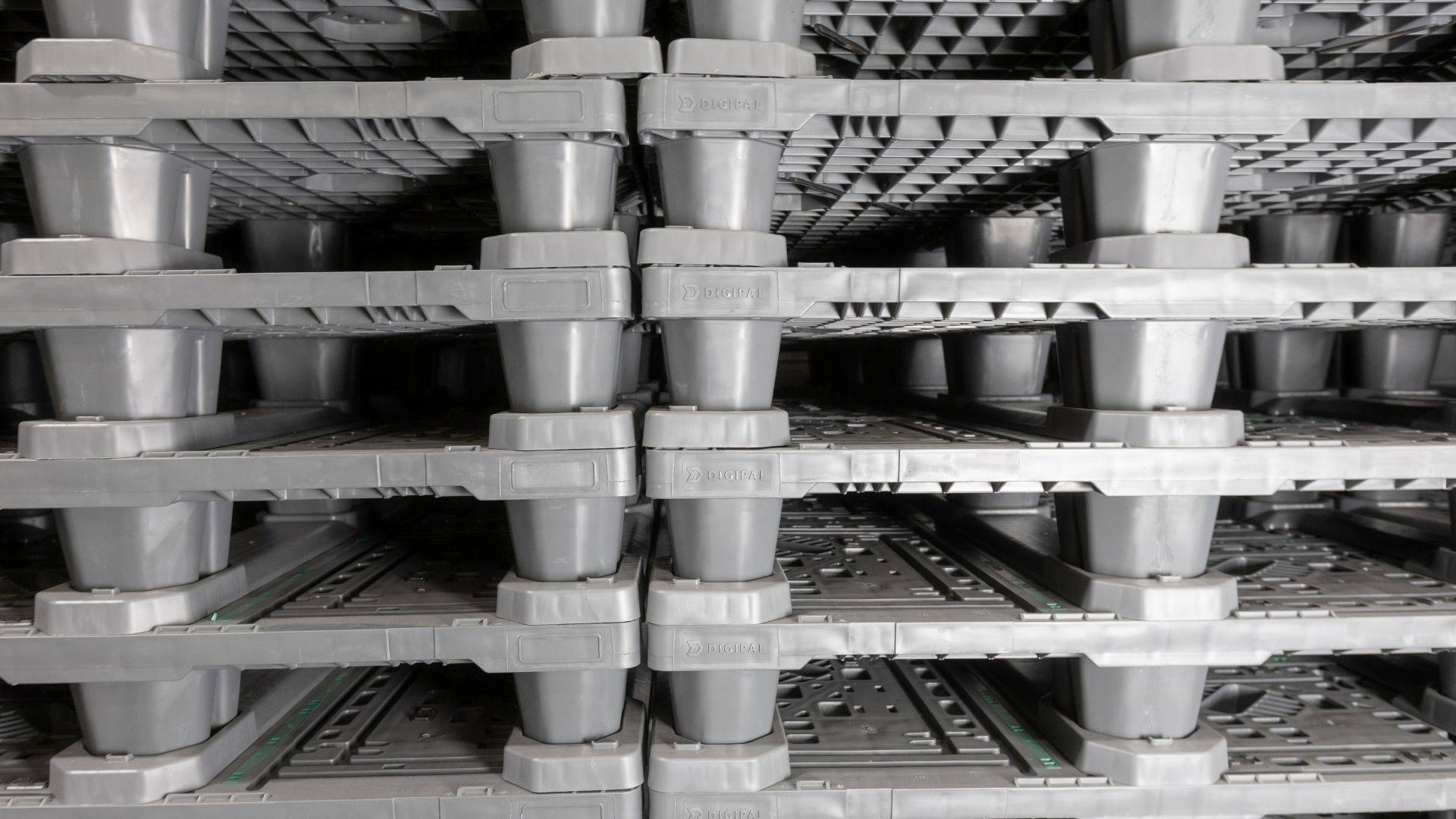
Once unloaded, the empty pallets are collected by Digipal, inspected, washed and repaired where necessary, before being reissued for the next trip.
This approach can be particularly effective for businesses with regular pallet movements across multiple locations.
Customers pay for the pallet trip rather than purchasing the pallet or keeping a permanent fleet on hire. This works particularly well for regular, repeatable deliveries through established distribution networks.
Digipal’s pallet pooling service also places a strong emphasis on sustainability. Our plastic pallets can be inspected and repaired to extend their working lives, and they’re 100% recyclable at the end of their lifespan.
Plastic pallet rental vs pallet pooling: key differences
Real-time tracking uses connected technology to monitor physical assets as they move through the supply chain.
Assets such as pallets, containers and reusable transport packaging can be fitted with tracking devices that collect and transmit information.
Depending on the requirements of the business, this technology can include:
Plastic pallet rental
- Customers pay for the number of pallets held and the time they remain on hire, typically on a daily hire basis.
- Rental quantities can be adjusted to suit operational requirements, subject to availability and contract terms.
- Rental can suit internal handling, storage, seasonal peaks and projects where a dedicated quantity of pallets is required.
- The business typically manages the pallets during the rental period, with responsibilities determined by the agreement.
Plastic pallet pooling
-
Pallets are supplied for a delivery trip and then recovered for reuse within the wider network.
-
The pooling provider coordinates delivery, collection, inspection, washing, repair and reissue.
-
Pooling can suit regular supplier-to-customer deliveries, including food and grocery distribution networks.
-
Customers typically pay a fee per pallet trip rather than a daily charge for pallets held.
The clearest difference is what you are paying for: time on hire versus a completed pallet trip.
With rental, you generally pay for each pallet for the period it remains on hire. With pooling, you generally pay for its trip through the supply chain, while the provider manages empty-pallet recovery and recirculation.

Which option is more cost-effective?
Cost is naturally a major consideration when choosing between plastic pallet rental and pallet pooling.
Both approaches remove the need for businesses to purchase large quantities of pallets upfront, but their ongoing costs can differ.
With rental, the main cost drivers are how many pallets you hold and how long you keep them on hire. A daily rate makes this straightforward to budget for, but extended dwell times increase the total cost.
Rental can be attractive when you need a dedicated fleet for internal operations or a defined period.
With pooling, the key commercial measure is the number of pallet trips, rather than how many days a pallet is held.
For regular supplier-to-retailer flows, pooling can reduce the need to buy, store, repair and recover your own pallets.
Compare the total cost of each model, including pallet dwell time, number of trips, empty-pallet collection, transport distances, handling and losses.
Pallet loss and slow returns also affect the economics. Better asset visibility helps identify where pallets are delayed, improving recovery and utilisation.
That’s where asset tracking can make a significant difference.
Which option is right for your business?
The best approach will depend on your supply chain and how you use pallets.
Plastic pallet rental could be a good fit if:
- You need pallets for internal production, storage or warehouse movements.
- You need additional pallets for a specific project.
- You want to avoid purchasing a large pallet fleet.
- You require a set quantity of pallets for a defined period.
Pallet pooling could be more suitable if:
- You send regular palletised deliveries to customers, such as supermarket distribution centres.
- You operate within a supply chain where pallets can be collected and reused.
- You want the provider to organise empty-pallet collection, washing and reissue.
- You want costs linked to pallet movements rather than the length of time you retain pallets.
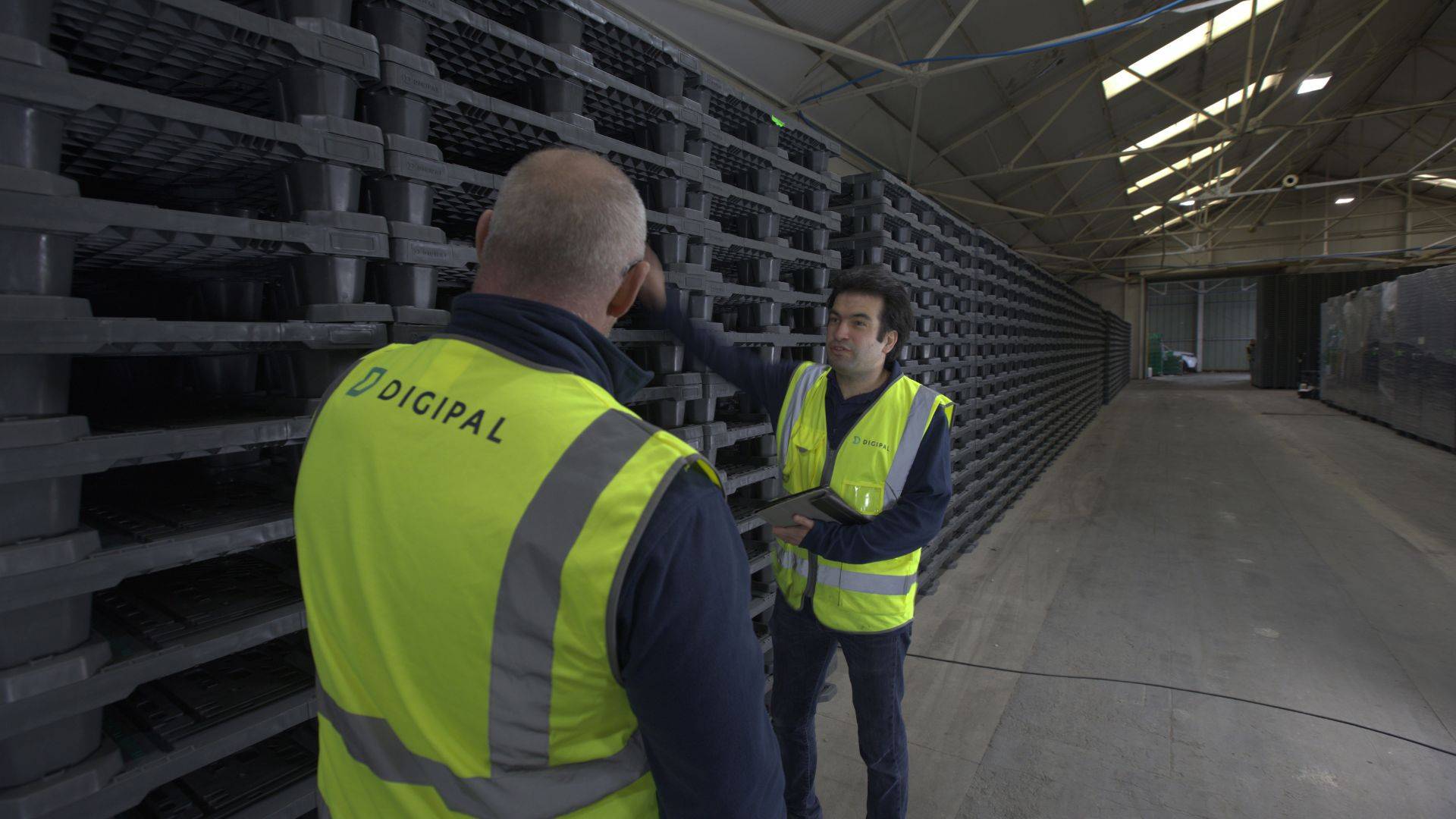
At Digipal, we look at where pallets are loaded, where they travel, who receives them and how they return before recommending the most suitable model.
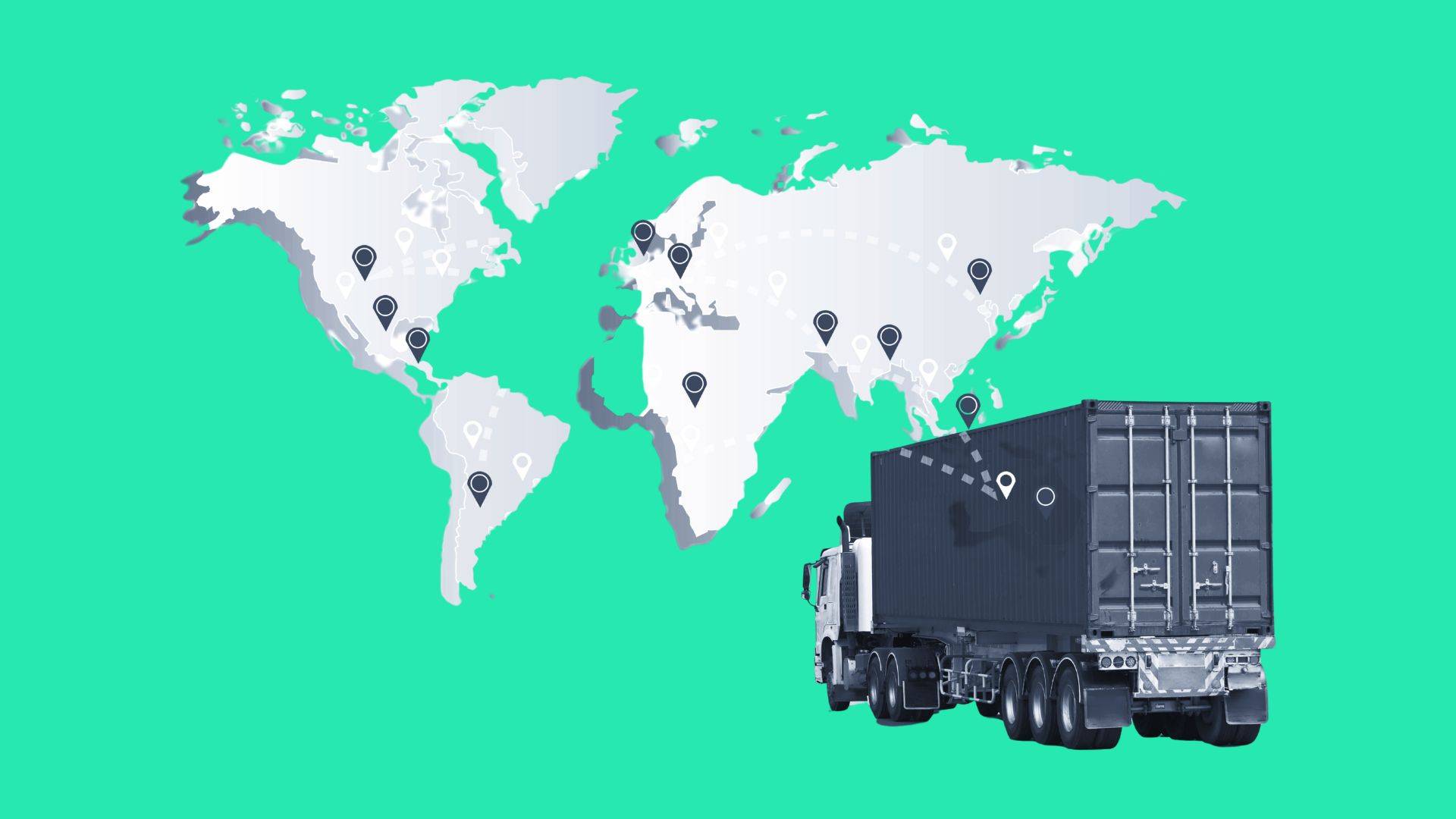
How asset tracking can improve pallet management
Visibility becomes especially valuable when pallets move between suppliers, hauliers, distribution centres and retailers.
Without reliable tracking, pallets can go missing, remain at sites longer than planned or return late, increasing the number of assets needed to support the same volume of deliveries.
Digipal’s asset tracking technology gives businesses greater visibility over their plastic pallets, with location and temperature data available through our DigiPortal.
This means you can:
- View pallet locations and movement history through DigiPortal.
- Monitor dwell times and identify pallets that have not moved or returned as expected.
- Spot potential bottlenecks and support faster pallet recovery.
- Access additional monitoring data, such as temperature, where suitable sensors are fitted.
Our DigiPortal platform is developed in-house and brings data from multiple tracking technologies together in one asset management system.
Digipal’s pooled plastic pallets are digitally tracked, giving our operation and customers far greater visibility across the supply chain.
That information helps improve utilisation, reduce avoidable losses and keep reusable pallets moving.

Frequently asked questions
Is it cheaper to rent or pool plastic pallets?
There is no single cheapest model. Rental is typically charged per pallet per day and can suit a dedicated fleet held for a period. Pooling is typically charged per pallet trip and can suit frequent supplier-to-customer deliveries. Compare dwell time, transport, recovery and loss costs to understand the total cost.
How does pallet pooling work?
In Digipal’s pooling service, pallets are supplied for a delivery, travel with the goods to the receiving customer and are then collected, inspected, washed and reissued. The customer pays for the pallet trip rather than buying the pallet.
What are the benefits of renting plastic pallets?
Plastic pallet rental allows businesses to access pallets without the upfront expense of purchasing them. It can offer flexibility during seasonal peaks, support short-term projects and reduce the need to maintain a large fleet of owned pallets.
Can rented and pooled plastic pallets be tracked?
Yes. Digipal’s pooled plastic pallet fleet is digitally tracked, giving visibility of movements, locations and dwell times through DigiPortal. Additional data, including temperature, depends on the tracking equipment and service selected.
Is pallet pooling more environmentally friendly than buying pallets?
Pooling can improve asset utilisation by keeping the same pallets working across multiple trips. Inspection and repair extend their useful life, while Digipal’s plastic pallets are 100% recyclable at end of life. Environmental performance will also depend on transport distances and recovery efficiency.
How asset tracking can improve pallet management
Digipal combines over 20 years of supply chain experience with UK-manufactured reusable plastic pallets and a digitally tracked pallet pooling service.
Our rental and pooling solutions bring together robust plastic pallets, managed asset recovery and our in-house DigiPortal platform, helping customers improve visibility and reduce avoidable costs.
Whether you need a dedicated fleet on daily hire or a per-trip pooling solution for deliveries into retailers, we can review your pallet flows and recommend a commercially practical approach.